What a Home’s Electrical Panel Age Tells You — And When to Upgrade It
Christina Kim · 11 Jun 2026 · 6 min read
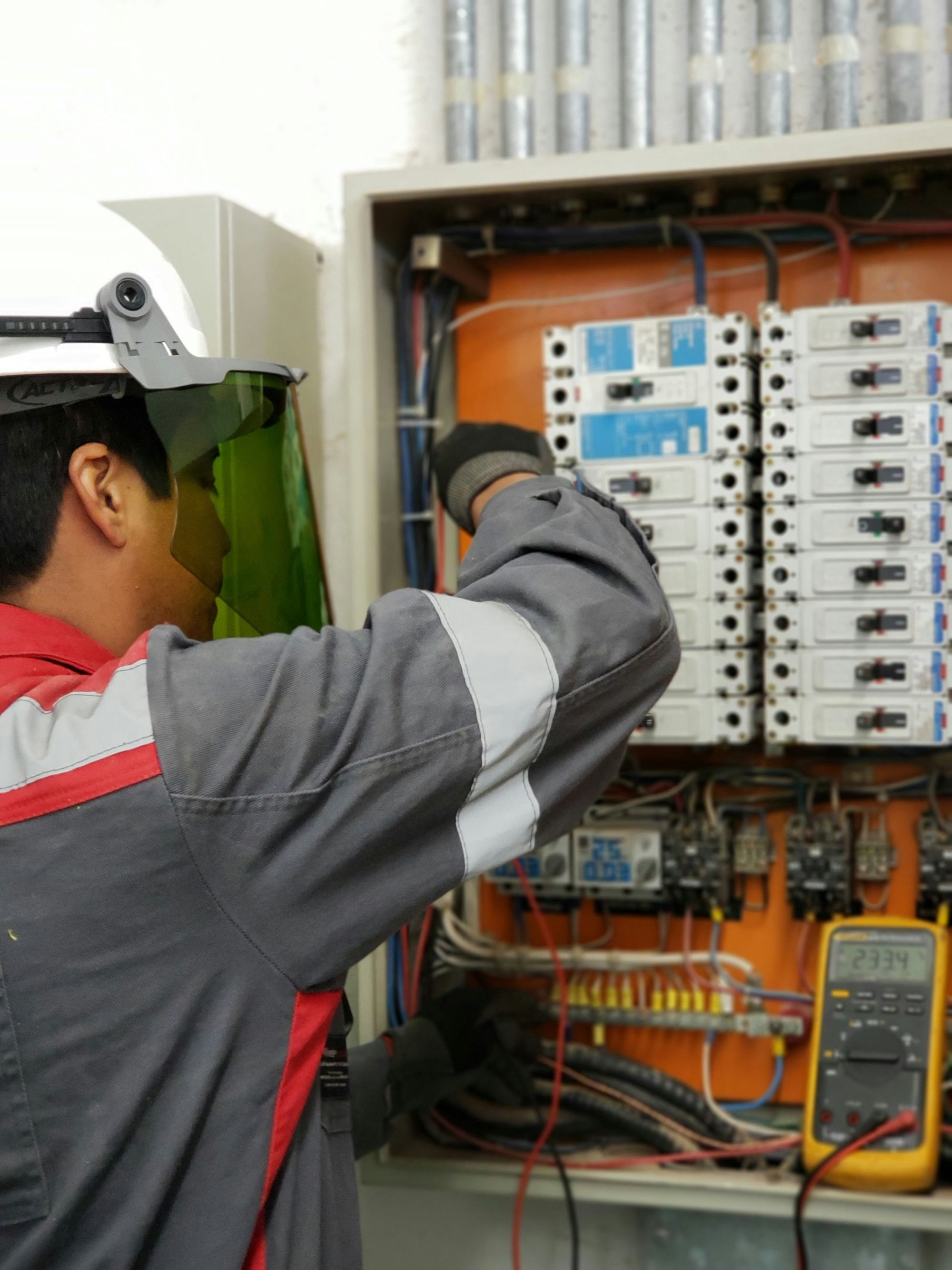
The electrical panel is one of those home systems that almost no one thinks about until something goes wrong. It sits in the garage or a utility closet, it hums quietly, and most homeowners have never done more than flip a tripped breaker and walk away. Which makes it one of the most under-inspected and misunderstood components of an older home.
What’s inside that metal box matters a great deal. The panel is the central distribution point for every circuit in your home — the mechanism that routes power to each room and, critically, the safety device that’s supposed to cut power when something goes wrong. When it works correctly, it’s invisible. When it fails, the consequences range from nuisance to catastrophic.
Here’s what the age of your panel actually tells you, which brands deserve immediate attention, and when an upgrade moves from optional to necessary.
Why Panel Age Is a Starting Point, Not a Verdict
A well-maintained electrical panel from a reputable manufacturer can last 25 to 40 years. Age alone doesn’t make a panel dangerous — but it does tell you how likely you are to encounter design-era limitations, obsolete technology, or wear that requires evaluation.
The key questions are: Who made it? How many amps does it carry? And does it match the electrical demands of the home as it’s actually being used today?
The Two Brands That Require Immediate Attention
Not all older panels are equal. Two manufacturer names, when found on a home inspection or during a walkthrough, should trigger immediate evaluation regardless of how the panel looks from the outside:
Federal Pacific Electric (FPE) / Stab-Lok. Federal Pacific was one of the most widely used panel manufacturers in homes built between the 1950s and 1980s. Their Stab-Lok circuit breakers have a documented and well-studied failure rate: independent testing has found that up to 25% of these breakers fail to trip under overload conditions. A breaker that doesn’t trip is not a minor inconvenience — it means an overloaded circuit continues drawing current until heat builds to the point of fire. Electrical fires and panel fires in homes with FPE Stab-Lok equipment have been reported across the country for decades. Many insurance companies in California now require FPE panel replacement as a condition of coverage.
Zinsco (also sold under the GTE-Sylvania name). Zinsco panels were common in homes built from the 1950s through the 1970s. Their failure mechanism is different but equally dangerous: the breakers can overheat, melt, and physically fuse to the bus bar inside the panel. When that happens, the breaker can no longer trip at all — it’s stuck in the on position. This means a short circuit or overload can occur without any automatic shutoff, allowing dangerous heat to build inside walls and framing.
Neither FPE nor Zinsco panels have been formally recalled by the federal government, but the electrical industry, the insurance industry, and virtually every licensed electrician who has worked on these systems treats them as if they were. The Electrical Safety Foundation International (ESFI) reports that electrical failures cause over 51,000 residential fires annually in the United States. Panels that fail to trip are a known contributor to that number.
If you have a Federal Pacific or Zinsco panel, the replacement timeline is not “when the budget allows.” It is now.
The 100-Amp Panel Problem
Beyond brand, the other major age-related issue is amperage capacity. Homes built before the 1980s were typically wired with 60-amp or 100-amp service panels — designed for the electrical demands of that era, which meant a few circuits for lighting, a refrigerator, and a stove.
Modern homes routinely carry loads that would have been unimaginable in 1965: central air conditioning, electric water heaters, multiple refrigerators and freezers, home office equipment, large-screen televisions, smart home systems, and increasingly — electric vehicle chargers. A Level 2 EV charger alone draws 40 to 50 amps continuously during charging. That’s a massive load for a panel that was sized for a world without it.
A 100-amp panel isn’t automatically dangerous — but it is a capacity constraint, and in California particularly, where the state is actively incentivizing the switch from gas to electric appliances (heat pumps, induction ranges, electric water heaters), a 100-amp service is increasingly an obstacle to a functional, modern home.
Warning Signs That Something Needs Attention
Regardless of panel age or brand, these signs indicate the system needs evaluation by a licensed electrician:
- Breakers that trip frequently, especially on the same circuit
- Breakers that don’t stay reset after tripping
- A burning smell, visible discoloration, or heat near the panel
- Buzzing, crackling, or hissing sounds from the panel box
- Lights that flicker when appliances are running
- Two-pronged outlets throughout the home (indicates no grounding — a sign of older wiring that should be evaluated alongside any panel work)
- A panel with handwritten labels that don’t match actual circuits, or breakers that have clearly been added over time in a disorganized way
What an Upgrade Costs in Southern California
Panel replacement costs in Southern California tend to run higher than national averages due to permit requirements, utility coordination, and regional labor rates. Here’s a general framework for budgeting (2024–2025 estimates):
- Upgrade Type — Typical Cost Range (SoCal)
- FPE or Zinsco panel replacement — $1,500 - $4,000
- 100A to 200A upgrade (standard) — $2,500 - 6,000
- 200A to 400A *large homes or EV/solar) — $6,000 - $10,000
- Permit and inspection fees — $500 - $2,000 additional
These are starting ranges — underground service lines, meter relocations, or significant rewiring can push costs higher. Always get at least two written quotes from licensed C-10 (electrical) contractors in California, and confirm permits are being pulled. Work done without permits can complicate insurance claims and home sales.
The Insurance and Home Sale Dimension
This has become increasingly practical for California homeowners: many insurance companies now flag or refuse to insure homes with Federal Pacific or Zinsco panels. In an environment where homeowner’s insurance is already difficult to obtain in wildfire-adjacent areas, adding an electrical hazard to the picture can result in policy cancellation, higher premiums, or rejection of claims when you need them most.
On the sale side, an older or flagged panel will surface in the inspection report. Buyers and their agents will ask about it. In many cases, lenders will require documentation of panel condition or a safety inspection before underwriting. Addressing the panel proactively before listing removes a known negotiation pressure point and potential deal killer.
How to Check What You Have
The easiest first step costs nothing. Open your electrical panel box and look at the manufacturer name printed on the inside door or on the breakers themselves. Federal Pacific will often say “Federal Pacific Electric” or “Stab-Lok” directly on the breaker handles. Zinsco will say “Zinsco” or “GTE-Sylvania.” If you see either of those names, contact a licensed electrician for an evaluation.
Also look for the amperage rating — it will be printed on the main breaker, the largest breaker in the panel. 100A means a 100-amp service. 200A means 200-amp service. If you’re running a modern home on 100 amps and plan to add EV charging or major appliances, that’s a conversation to have with an electrician.
The panel is not glamorous. It doesn’t add curb appeal or give you a better kitchen. But it is, literally, the safety device standing between your home’s electrical system and a fire. Knowing what you have is the starting point.



Thinking about a move in LA?
Whether you're buying, selling, or just curious what your home is worth — start with a conversation. No pressure, no obligation.
Book a consultation